



Key Considerations in Selecting Sites for RAS
RAS farming offers the advantage of not being limited by natural conditions, which is an adaptive advantage of this model.
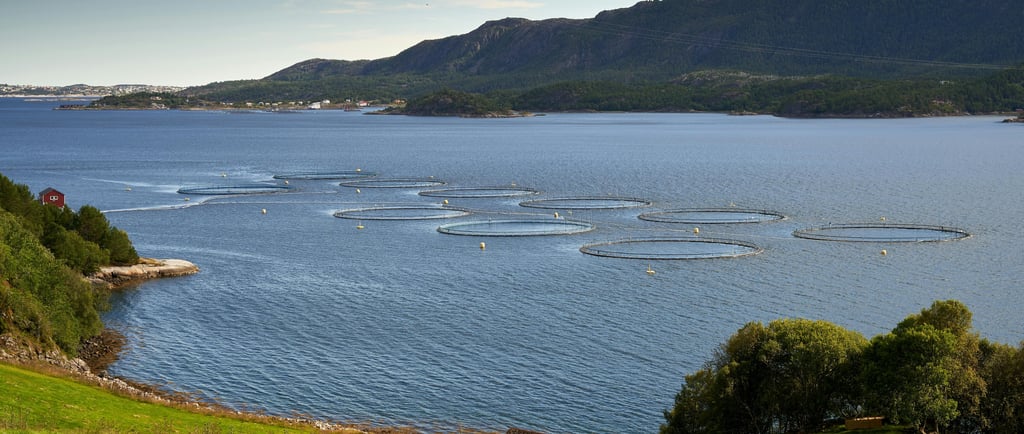
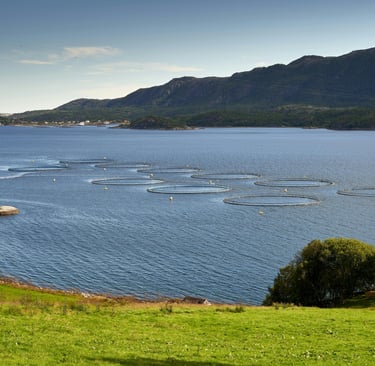
RAS farming offers the advantage of not being limited by natural conditions, which is an adaptive advantage of this model. However, when it comes to site selection for construction, it is not a matter of acting arbitrarily but adhering to the principle of practicality.
Although RAS farming occupies relatively small areas, it still requires a certain amount of land for site construction, especially for larger-scale operations, which occupy larger areas.
At this point, we need to consider not only the site itself but also factors such as the availability of water sources, compliance with construction standards regarding location, and whether it will impact long-term local planning (to avoid future issues like demolition and relocation).
If it is a RAS farming project in rural areas, we also need to consider the support of the local government and community, as well as issues related to electricity supply and other factors.
In summary, there are several considerations to take into account when selecting a site for farming. Based on numerous project cases from our company, Ecowater, here are six key points to consider when choosing a site for RAS farming, for your reference:
1. Choose a location with an ample water source that meets the standards for aquaculture!
There are two crucial points here: sufficient water quantity and water sources that meet the standards for aquaculture. It is essential to have both factors in place. Having an adequate water supply that cannot be used for farming is futile, and having water that meets the standards but cannot be supplied in sufficient quantity is also unacceptable.
2. Avoid areas that encroach upon basic farmland!
Basic farmland is an inviolable red line. The country has implemented strict measures to protect it. Why are there so many efforts to restore forests and reclaim ponds? Under no circumstances should the use of basic farmland be altered or repurposed in any way.
3. Avoid areas that have been designated for other long-term development plans!
This includes land designated for long-term development plans such as road infrastructure construction. Some may argue that such plans come with compensation for demolition. However, when your RAS farming operation has grown in scale and achieved stable and increasing profitability, the losses incurred by demolition cannot be compensated adequately by such minimal compensation.
4. Choose a location where there is support from the local government and community for development and the revitalization of rural industries!
Why emphasize rural revitalization? And why is the support of the local government and community necessary? The recent development of RAS farming has greatly benefited from the momentum of rural revitalization. Additionally, government support and the community's positive response to RAS farming align with the goal of promoting high-quality development in the aquaculture industry.
5. Choose a location with ample and stable electricity supply!
RAS farming relies on systems such as aeration, circulation, microfiltration, ultraviolet sterilizers, and electronic devices for water quality monitoring, all of which require electricity. Therefore, it is crucial to select a site that is close to a reliable and stable source of electricity.
6. Choose a location that is relatively close to urban areas with convenient transportation for shipping and logistics!
For the sake of convenience in production and sales, it is preferable for RAS farming sites to be located in suburban areas or adjacent to regional transportation arteries. This not only facilitates the transportation of fish products but also makes it convenient for activities such as site construction material delivery and feed procurement.
Site selection is an important step in establishing the infrastructure for factory farming, as it sets the stage for subsequent operations. Therefore, prior site investigations, scientific planning, and comprehensive considerations are necessary and vital.
In practical applications, the six points mentioned above must be taken into account. This article serves as a reference for everyone. If it proves helpful, it would be of great value.